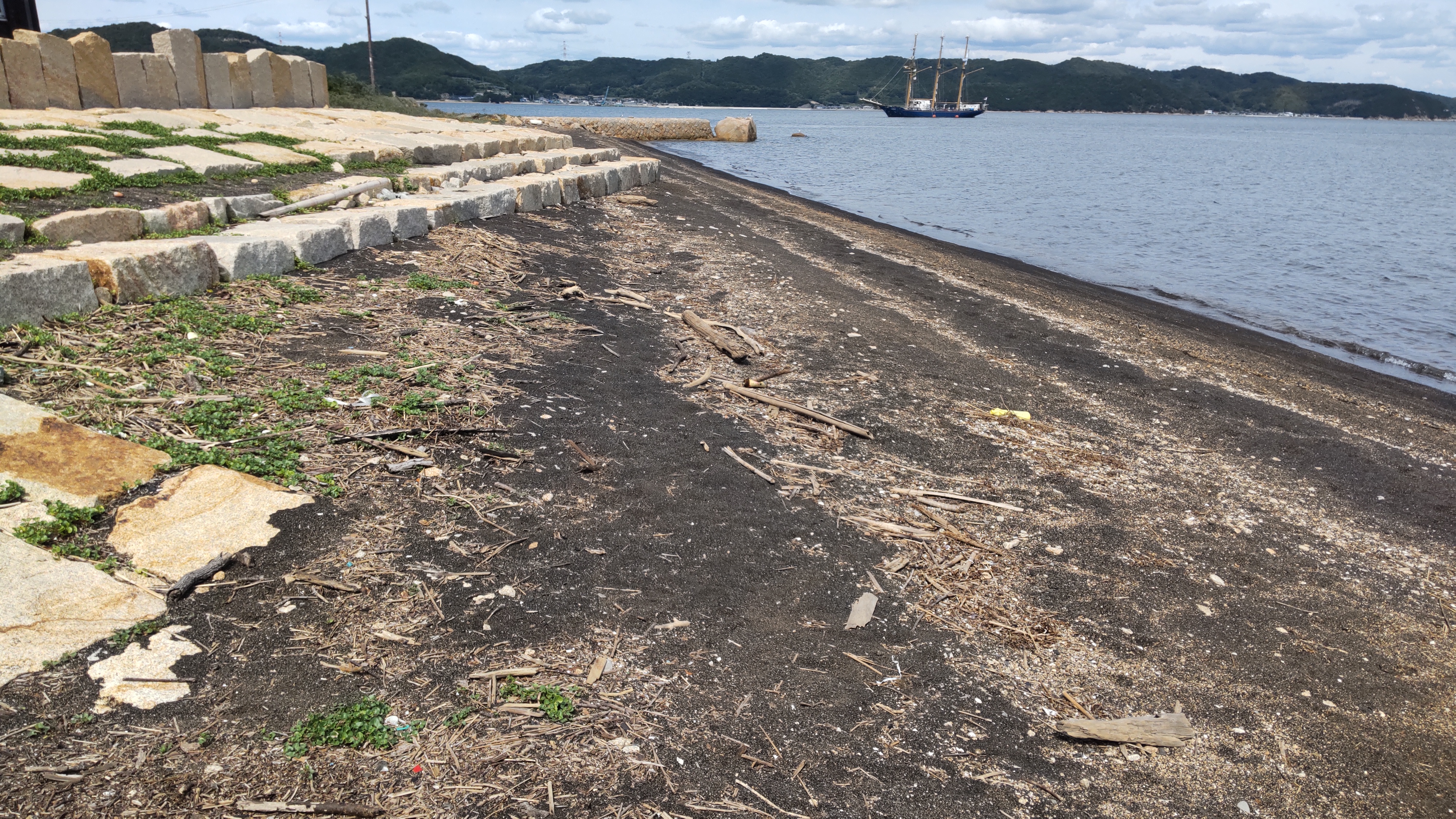
In September last year, I participated in the Ark of Coral Reefs cruise. One of the stops was on Inujima, which you can read about here. In the picture above, you can see our ship, and after we debarked to the island, I encountered this beach made with black sands. Black sand is not so usual, so I had a closer look. What I saw through my hand lens was a glassy substance. Being a naive amateur geologist (I am a modeller, after all), I hypothesized a natural source of this sand. The only natural, black, glassy substance I could think of is obsidian. This forms when a lava is cooled quickly when it hits water. There are plenty of volcanoes in Japan, so why not?
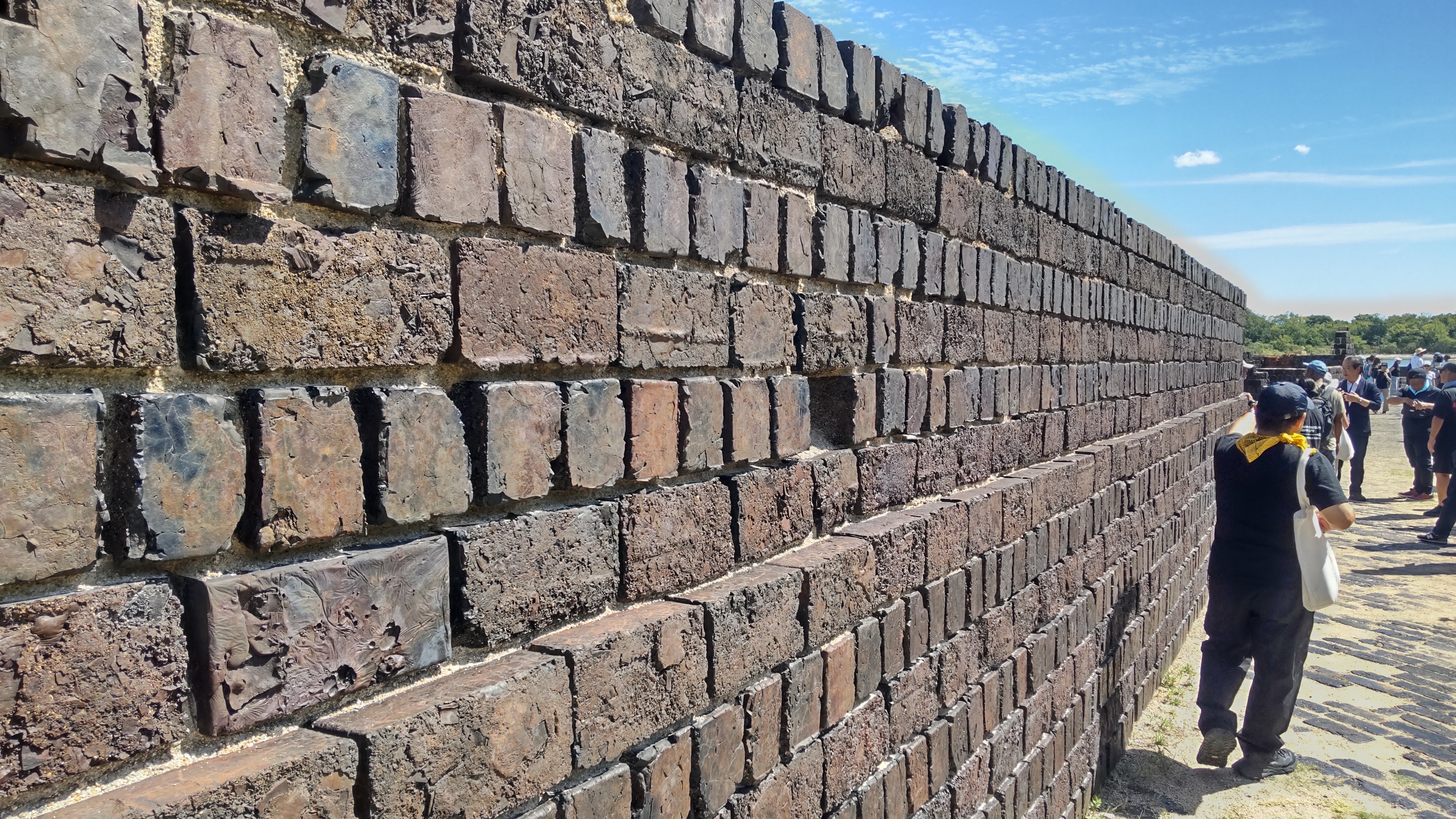
It did not take long to find out my first hypothesis was wrong and a natural source for the black, glassy sand was untenable. Inujima was host to a copper smelting operation in the early 20th century. The sand was slag! There was so much slag that they made bricks out of it that became the foundation of the art island that Inujima has become. So, the beach was made of slag sand and was not natural.
This is how science works. We create a hypothesis about a phenomena, based on our prior knowledge. But a good scientist will abandon a hypothesis when new evidence is presented. I did not cling on to my natural source for the glassy beach sand when I saw these bricks of slag. The slag was a much more obvious source.
This brings me to the reason I have made this post. A high profile science communicator, whom I will not name, posted an image of some sand dunes on Mars on Bluesky. The sand dunes were made of basalt. “It is not actually sand because it is basalt!” proclaimed the communicator. Many geologists, who had domain expertise on the matter said “sand is a classification of grain size, not composition” and therefore the basaltic sand dunes on Mars were indeed made of sand.
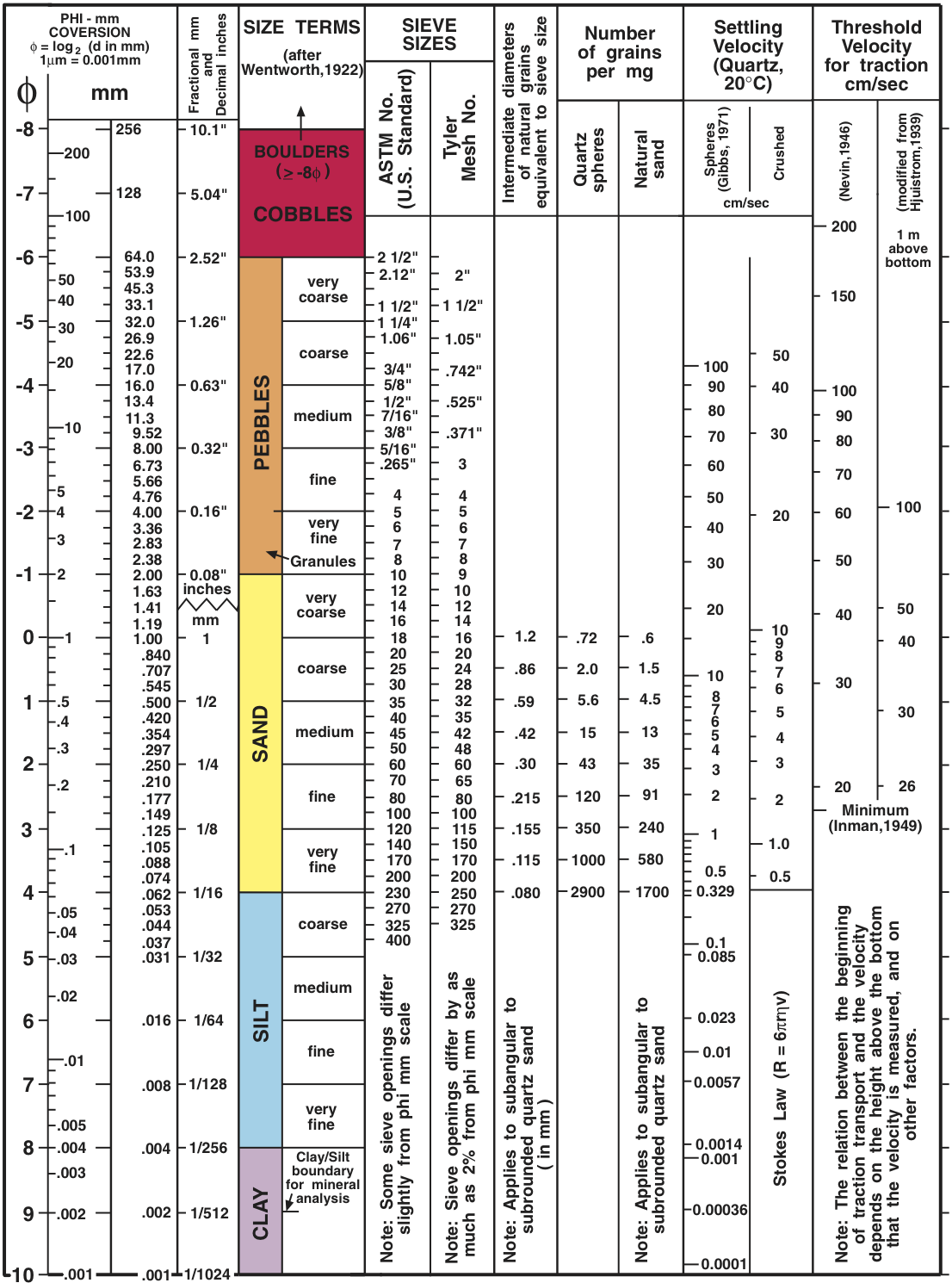
This science communicator, who is not a geologist, rather than gracefully accepting the soft pushback from the experts, doubled down on his opinion on this matter. Some geologists said they were even blocked by them!
Some gentle ribbing on this matter followed, with many people posting about the different kinds of sand they have seen, including me with the slag sand I saw in Inujima.
I saw some posts saying that they disagreed with what they saw as a pile-on. But I wanted to write this to say that I very much disagree with this. There are not many science communicators out there that have a such a broad audience. The average geologist can not hope to be able to reach the number of people this communicator has! A communicator with such an audience has a responsibility to tell the truth. We live in a world where many people with a lot of power want to deceive the public that the results of scientific investigation are a big lie. For someone who proclaims to be a science communicator to double down on their preconceived notions when presented with new evidence is an abdication of the responsibilities that their platform gives them.
We live in a world that is consumed with misinformation. There are many big problems, like climate change, that require a large buy-in from the public if we are to solve them. We need people like this communicator to build trust in the public in science to overcome this misinformation. An inability to handle a gentle ribbing from some people on social media and doubling down when told that they are incorrect does not help with building trust in our profession.
One of the biggest virtues that a scientist can have is humility. We cannot cling onto ideas if the evidence suggests they are wrong. We must change our hypothesis! Scientists are only human, and I understand the urge to resist when told that something we believe is wrong. Science is full of stories like this. It is one of the reasons why plate tectonics was not a universally accepted idea until the 1970s! Without humility and striving to tell the truth, we cannot hope to solve the problems that desperately need our attention.
 Raised Beaches
You must be logged in to post a comment.