
The second day of the cruise (September 15) had us boarding the ship. We did not depart until Day 3. It was a day to get oriented with what was happening. In the morning, there was a tour of the island. I did not join, as I had to work on making presentations (I ended up giving three presentations during the cruise!).
Since the second day was mostly dealing with these preparations, I will give some details about the Kikai Institute for Coral Reef Sciences.
The Kikai Institute of Coral Reef Sciences started 10 years ago. Kikaijima is one of the northermost places with coral reefs. Its location far from large settlements makes it a great place to study the corals.
However, the institute is more than just a place to study corals and their environments. It is also a place to observe how the corals are a part of the life of the people.

The first time I came to Kikaijima was in 2022. I was amazed at what I found. The institute is located in a former school in Somachi. It was teeming with activity! Every summer, they hold a summer school for kids in middle and high school to experience science first hand. Not only that, they had a demonstration of creating a watercraft to try and figure out how the original inhabitants of the island might of reached there.

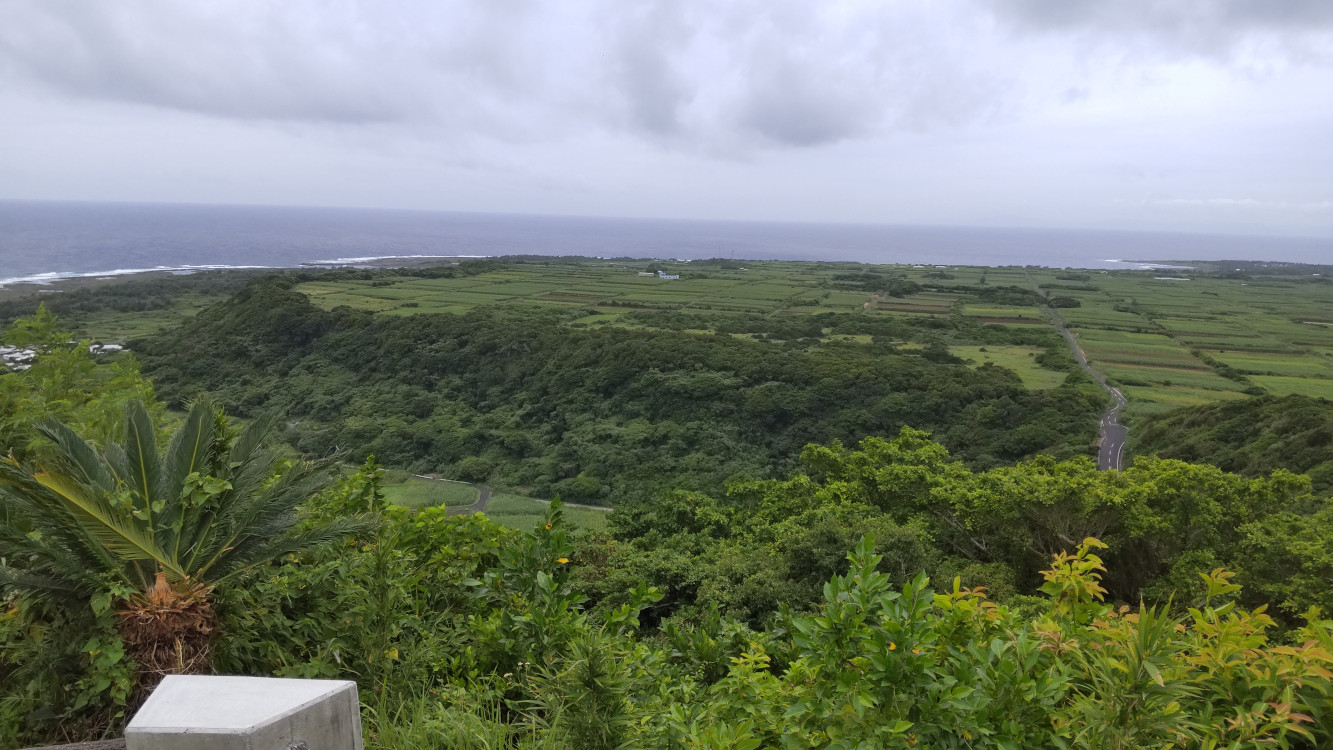
Kikaijima is famous for its ancient coral reef terraces. As I said in the previous post, I was interested in the terraces from Marine Isotope Stage 3, which are found almost nowhere else in the world. When I first saw the view from Tebarubanta (テーバルバタ) and see the terrace that formed near the start of Marine Isotope Stage 3, I knew I was in my place. Tebarubanta itself is a terrace that formed 80,000 years ago.
Fossil corals are everywhere on Kikaijima. They are a key part of the landscape on the islands. If you love fossils, this is the place to be. As you might imagine, I was a big fossil hound when I was a kid. I used to search the rocks in the yard of my elementary school for fossils. I did sometimes find them! Coming to a place where fossils is everywhere re-lit the imagination I had back then.

The Institute measures the chemistry of the fossil corals to determine the past climate. As an example, Garas et al (2023) measured the strontium/calcium ratio and oxygen isotopes in the Holocene corals to measure changes to the Asian Winter Monsoon during the past 7000 years.
The institute is a place of education as well as research. I have had the pleasure of teaching at the summer schools that take place in late July and early August. I never taught young people before, so it was a challenge. However, it was a lot of fun and I fed off the enthusiasm!

These students will be the future Earth scientists that tell us about our world. It is a privilege to share my interests with them!
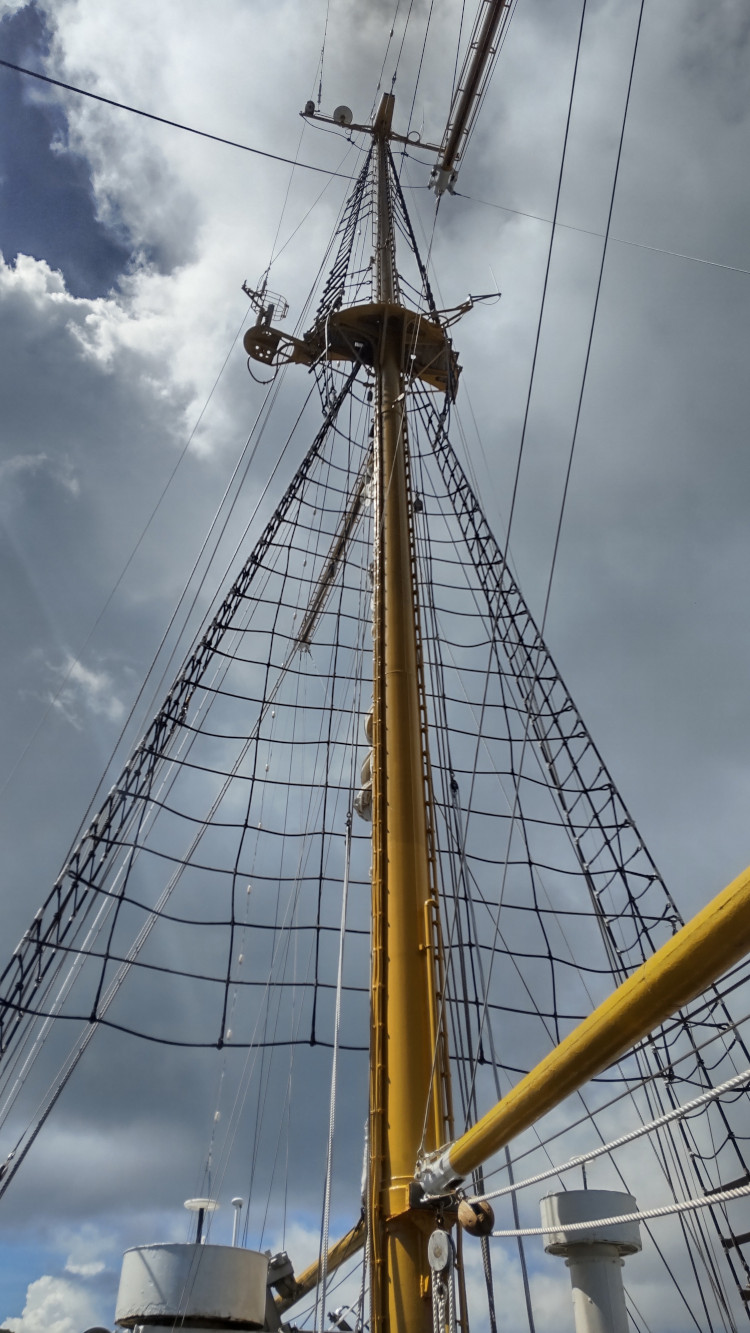
The second day got us acquainted with the ship, the next day, we sailed!
 Raised Beaches
You must be logged in to post a comment.